


AI-Enabled Shadow Technologies Catalyzing Age-Inclusive Healthcare Workspaces
As the healthcare workforce ages and staffing shortages continue, many professionals are turning to tools like AI assistants to manage their work. While not always formally approved, these tools are often used to stay organized, reduce strain, and keep up with the pace of care. This project examines how these practices shape job performance, satisfaction, and retention, particularly among aging healthcare professionals. While grounded in healthcare, the insights extend to other sectors facing workforce shortages, rapid technological change, and shifting professional practices.
Why this research matters?
Aging Workforce
Reducing workforce strain to retain jobs longer
Labour Shortages
Understanding how tools are being used to fill gaps in systems
Identifying how organizations can respond to practices already happening
Unregulated Technology Use
Rather than asking whether these tools should be used, this project examines how they are already shaping work, and what responsible integration could look like.
Methods
This project uses a mixed-methods approach to understand real-world practices.
-
A survey will be disseminated to explore:
What tools are being used
Patterns of adoption
Perceptions of usefulness, effort, and social influence
-
We will conduct Interviews and focus groups to examine:
How tools fit into workflows
Lived experiences of use
Perceived benefits, risks, and tensions
Knowledge Mobilization
All project related outputs will be released here as they are completed.
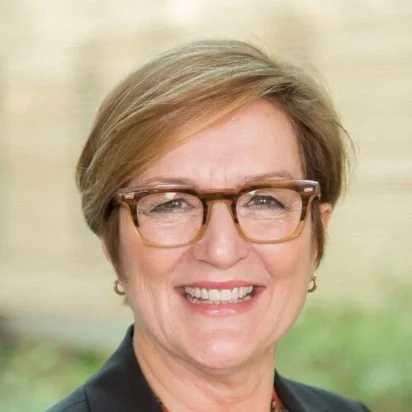
Dr. Josephine McMurray
(In Memoriam)
Dr. McMurray’s leadership and vision were foundational to the development of the AgeSmart-AI project. Her contributions continue to shape this work.
Meet the Team
-
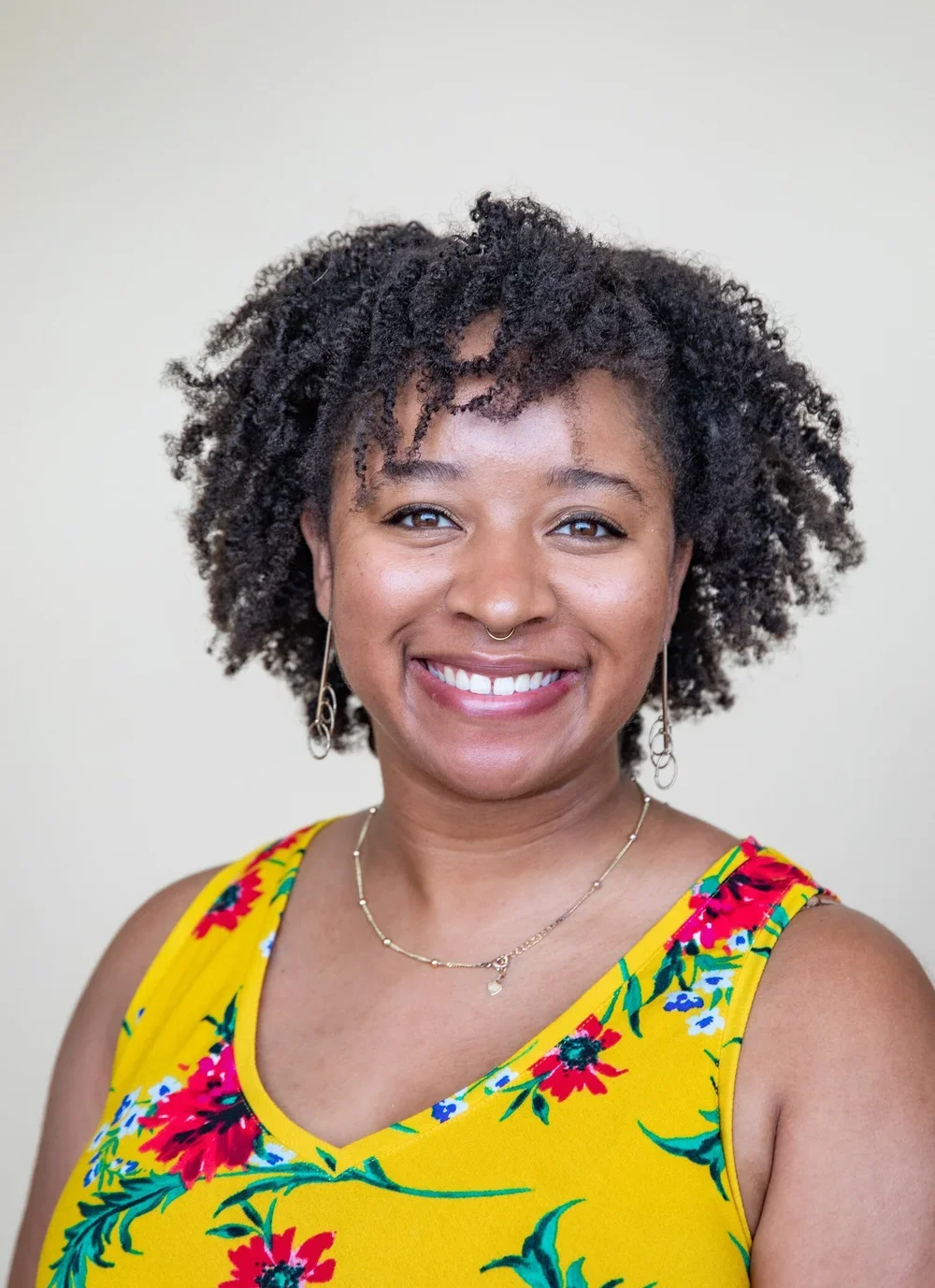
Dr. Maurita T. Harris
Principal Investigator and Co-Lead
-
Dr. Richard Booth
Co-Lead
-

Dr. AnneMarie Levy
Research Coordinator
-
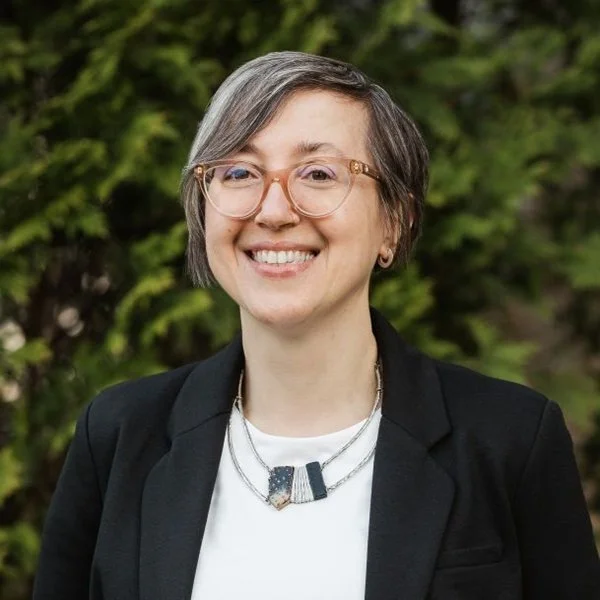
Dr. Alisa Grigorovich
Co-Applicant
-
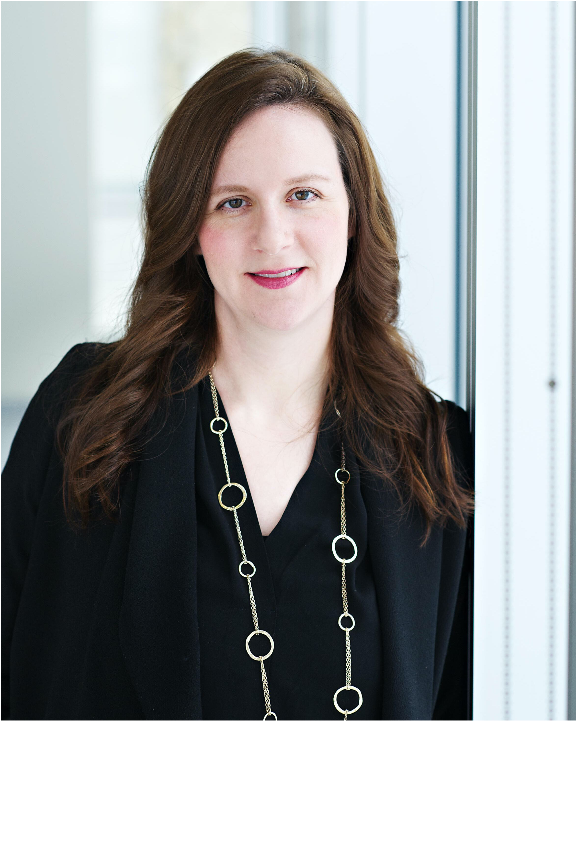
Dr. Kelly Grindrod
Co-Applicant
-
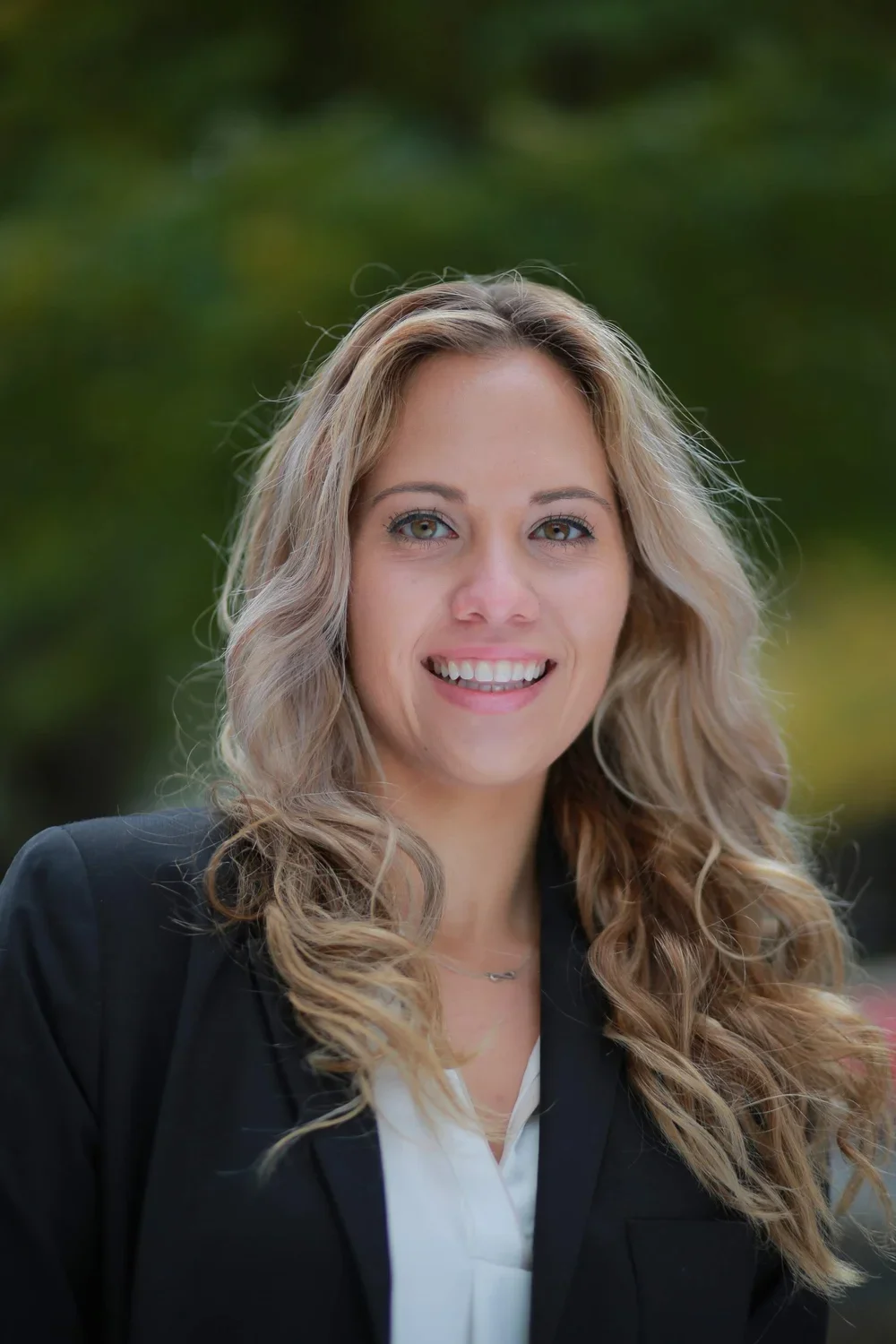
Dr. Kristina Kokorelias
Co-Applicant
-

Dr. Umair Rehman
Co-Applicant
-
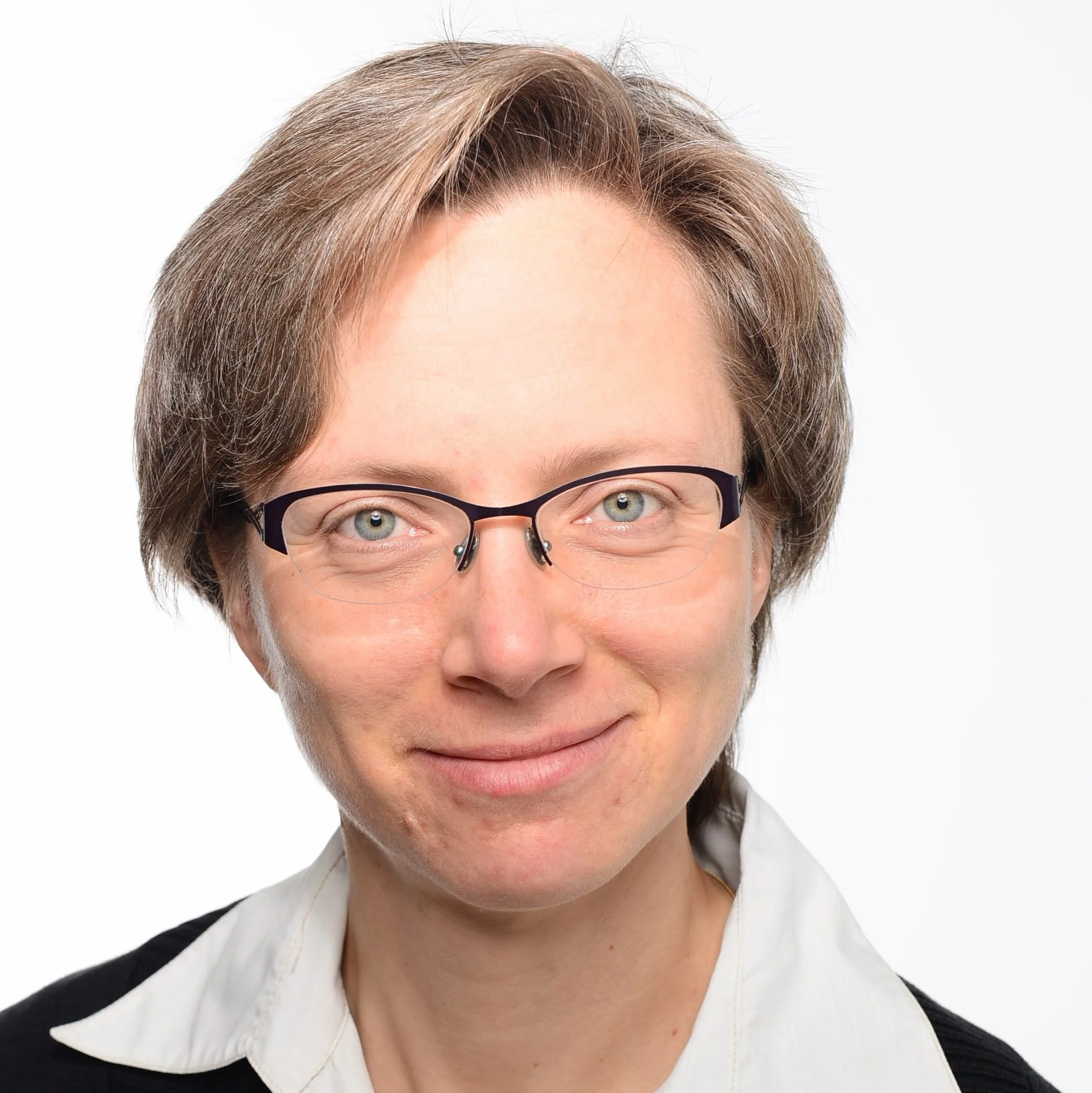
Dr. Kerstin Denecke
Collaborator
-

Oliver Masakure
Collaborator
-
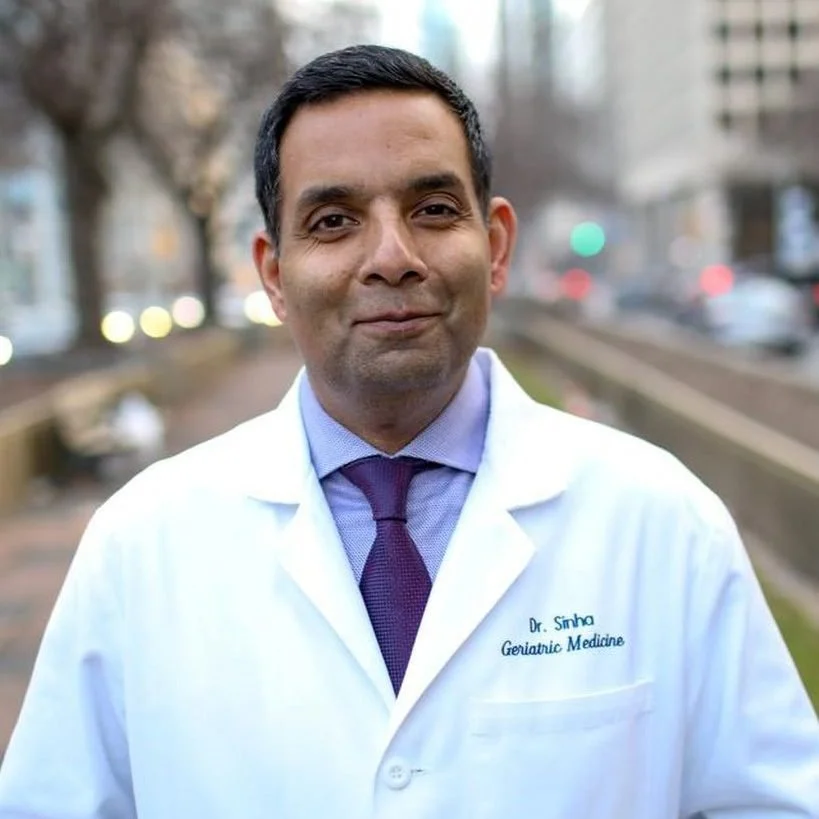
Dr. Samir Sinha
Collaborator
-
Dr. Philip Taylor
Collaborator
Our Funding Partners